Fashion
Shows Winter Spring 2009 2010
Trends in Evening Dresses from
Los Angeles Fashion Shows |
Assymetric
Grecian
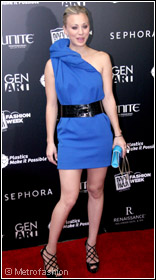
Kaley Cuoco Wears Blue at GenArt Rock
Fashion Week Los Angeles 2010 |
|
Sequins
and Frills
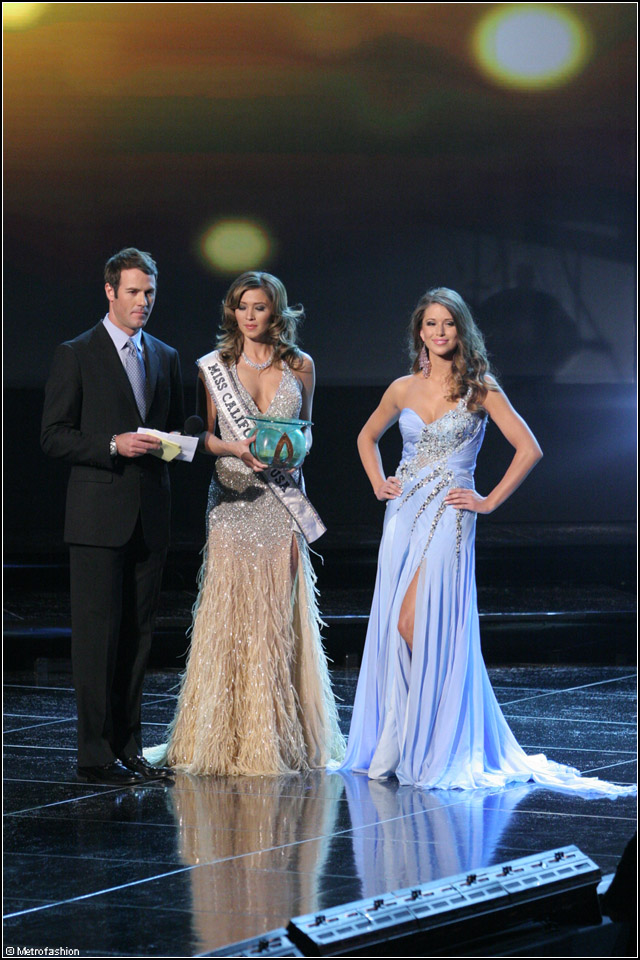
Miss California USA 2009 Tami Ferrell
at Miss California USA 2010 |
|
Fuschia
Vintage
Sue Wong Spring 2010 from Cedars Estates
Hollywood Hills |
 |
|
 |
|
 |
| Metrofashion Fall 2001
Fashion - Modern Reality |
 The
New (1990s) Rules Don't Apply - Watching the movie Serendipity
(©2001 Miramax Films) in October of 2001 is like watching a home video
of a story from another time; a time before the tragic terrorist attacks
of September 11th. Serendipity is a romantic comedy about the human desire
for destiny fulfillment in our search for love. The
New (1990s) Rules Don't Apply - Watching the movie Serendipity
(©2001 Miramax Films) in October of 2001 is like watching a home video
of a story from another time; a time before the tragic terrorist attacks
of September 11th. Serendipity is a romantic comedy about the human desire
for destiny fulfillment in our search for love.  Underneath,
the movie is a classy, chic romp through modern innocence in the age of
American prosperity. The lead couple, Jonathan Trager (played by John Cusack)
and Sara Thomas (Kate Beckinsale) are attractive, successful, even witty
characters made out to be your average young American adults affected by
infatuation. Yet their journey is alive with scenes of runway fashion, contemporary
designer home accents, and intellectual references to literature and theater. Underneath,
the movie is a classy, chic romp through modern innocence in the age of
American prosperity. The lead couple, Jonathan Trager (played by John Cusack)
and Sara Thomas (Kate Beckinsale) are attractive, successful, even witty
characters made out to be your average young American adults affected by
infatuation. Yet their journey is alive with scenes of runway fashion, contemporary
designer home accents, and intellectual references to literature and theater.
Jonathan and Sara are portrayed as common Westerners, beautiful people with
sophisticated, luxurious lives and crisp, tailored personalities. If only
those images had appeared before the collapse of WTC Tower I and Tower II,
perhaps the love story would have connected to the aspirations of a young
America looking for new mythologies. The opportunity to believe again, for
the first time since the roaring 1920s, that life would always be good.
Alas, wrapped in the dense mental imagery of churning smoke and ash from
September 11th, Serendipity is like a dream remembered from an unblemished
youth. And a lasting documentation of the hopeless romantic in all Americans
that existed until the Fall Season of 2001.
 Fashion is no exception; in fact, fashion itself may be the most accurate
metaphor of the transformation of our culture resulting from the terror
attacks. The fashion media has been confused, self-deprivating, and horrified
to the point of stupefaction, while the retail market has caved from the
devastating impact of the shift in American values from frivolity to resolution.
While the editors, marketers, and pundits profess the "triviality" of their
own field of expression, the buyers, designers, and manufacturers struggle
to find new models of sellable identity. Will the post-tragedy professional
woman forego sashes and corsages for masculine silhouettes? Is there anymore
an appetite for slashed, ripped, and torn? Will the Sara Thomas' of the
old economy indulge their BCBG field trips in the new sobriety?
Fashion is no exception; in fact, fashion itself may be the most accurate
metaphor of the transformation of our culture resulting from the terror
attacks. The fashion media has been confused, self-deprivating, and horrified
to the point of stupefaction, while the retail market has caved from the
devastating impact of the shift in American values from frivolity to resolution.
While the editors, marketers, and pundits profess the "triviality" of their
own field of expression, the buyers, designers, and manufacturers struggle
to find new models of sellable identity. Will the post-tragedy professional
woman forego sashes and corsages for masculine silhouettes? Is there anymore
an appetite for slashed, ripped, and torn? Will the Sara Thomas' of the
old economy indulge their BCBG field trips in the new sobriety?  The
answers to these questions foreshadow the modern societal issues of reduced
civil liberties in the name of security, the credibility of media as a voice
for and mentor to citizens, and the commitment of consumers to lead the
economic recovery of the technology industry. The
answers to these questions foreshadow the modern societal issues of reduced
civil liberties in the name of security, the credibility of media as a voice
for and mentor to citizens, and the commitment of consumers to lead the
economic recovery of the technology industry.
In other words, some new rules set in the 1990s don't apply anymore. The
new rules of (a) capitalism conquering the business cycle, (b) conspicuous
consumption as a patriotic pursuit, and (c) justifiable reckless abandonment
of the frugal lifestyles of our forefathers in the name of marketing differentiation.
Death of the 1990s euphoria happened on September 11th, not in February
of 2001 (i.e. the Internet crash) as many economic experts proposed. We
still had hope in August that the great American capitalist engine would
gather steam and chug back into its former glory. That ended when we all
watched the towers fall and realized that our backsides were not protected
while our frontside was expanding.
 New Family Values Realignment of existing
institutions occurred as well. The aftershocks of September 11th resulted
in a reaffirmation of family values in America, albeit new "family" units.
Family once defined as two parents, two kids, and the pet, was now frozen
as two, three, or however many close companions committed as soulmates irrespective
of gender, race, or sexual preference. Everyone wanted to be close to family
again, now widely recognized and accepted as the home companion, and the
dependent children or elderly. Nesting instincts, mothering protection,
local boys or girls as daredevil-firefighting, emergency-rescuing, recovery-managing
heroes. Confined to our local lifestyles and deprived of our jet-setting
professional pursuits, we searched for meaning and purpose, and found it
in family preservation. With the caveat that what was being preserved was
the new American family, an entirely modern definition that at once separates
our culture from Third World homogeneous societies like Aphganistan, and
puts a solid character profile on the beautiful images of America projected
to the rest of the world by television and Hollywood.
New Family Values Realignment of existing
institutions occurred as well. The aftershocks of September 11th resulted
in a reaffirmation of family values in America, albeit new "family" units.
Family once defined as two parents, two kids, and the pet, was now frozen
as two, three, or however many close companions committed as soulmates irrespective
of gender, race, or sexual preference. Everyone wanted to be close to family
again, now widely recognized and accepted as the home companion, and the
dependent children or elderly. Nesting instincts, mothering protection,
local boys or girls as daredevil-firefighting, emergency-rescuing, recovery-managing
heroes. Confined to our local lifestyles and deprived of our jet-setting
professional pursuits, we searched for meaning and purpose, and found it
in family preservation. With the caveat that what was being preserved was
the new American family, an entirely modern definition that at once separates
our culture from Third World homogeneous societies like Aphganistan, and
puts a solid character profile on the beautiful images of America projected
to the rest of the world by television and Hollywood.
 Smart, chic public life.
In our flight from the falling steel morass and our subsequent emotional
outpouring in the media, we are chic. Smartly dressed, well-spoken, even
fashion-aware as evidenced by Barry Bonds' wife in the heyday of Bonds'
record-breaking baseball season. Our politicians, law enforcement and justice
representatives, military servicemen, and especially, our investigative
reporters, are ship-shape and wrinkle-free, clad in microfiber, pique cotton,
and suede. Coming at us from New York, Washington, London, Pakistan, China,
and anywhere in the world where Americans step up to the camera. We look
good. Even our children reciting the Pledge of Allegiance and respecting
the billowing flag don Oxford jackets and empire waist prints. Fashion in
American mainstream life, once a pale second cousin to European refinement,
has emerged to frame the modern citizen as stylish and hip. Even in the
face of disaster. Especially in the face of terror. We are defiantly
fashionable, practical in taste and resolute in presentation. If our nation
is to be attacked because of its prosperity, then we shall wear our fine
fabrics while meeting that attack.
Smart, chic public life.
In our flight from the falling steel morass and our subsequent emotional
outpouring in the media, we are chic. Smartly dressed, well-spoken, even
fashion-aware as evidenced by Barry Bonds' wife in the heyday of Bonds'
record-breaking baseball season. Our politicians, law enforcement and justice
representatives, military servicemen, and especially, our investigative
reporters, are ship-shape and wrinkle-free, clad in microfiber, pique cotton,
and suede. Coming at us from New York, Washington, London, Pakistan, China,
and anywhere in the world where Americans step up to the camera. We look
good. Even our children reciting the Pledge of Allegiance and respecting
the billowing flag don Oxford jackets and empire waist prints. Fashion in
American mainstream life, once a pale second cousin to European refinement,
has emerged to frame the modern citizen as stylish and hip. Even in the
face of disaster. Especially in the face of terror. We are defiantly
fashionable, practical in taste and resolute in presentation. If our nation
is to be attacked because of its prosperity, then we shall wear our fine
fabrics while meeting that attack.
Science Fiction Sleek With the passing
of the Age of Innocence we also see the passing of the age of Victorian
fashion excess. Fluffy cuffs, voluptuous layers of tulle, and flumes, feathers,
and finery have moved to special interest status in the fashion survey. In its place, the surprising rise of science fiction themes has been institutionalized
by the ever-present media images of firemen in space-age uniforms, bio-scientists
combing white-collar office places, and regular citizens pocketing and brandishing
cell phones, camcorders, and wired clothing to capture it all in real-time.
If the fashion world had any presumptions about ignoring the techfashion
world introduced by the prosperous geeks of the 90s and preserved in the
youth culture of the new millenium gameboxes, that became impossible in
the days after September 11th, when our physical lives were filled with
"real world" images seen before only in virtual scapes or in space travel
and espionage settings. Within days of the tragedy, news casts showed us
the grizzly parallels between PC-based flight simulation games of destruction
and the real flight horrors of the WTC attacks. All of the fashion foreplay
set in motion in the 1990s by new media proliferation, exotic adventure
travel, and especially, science fiction commodity entertainment, came together
in those brief few moments when steel-on-steel horror focused the world's
attention on the dark side of modernity. Where the 20th century saw the
culmination, distribution, and celebration of Victorian pomp, the 21st century
now enters the "Starship Troopers" era in fashion.
In its place, the surprising rise of science fiction themes has been institutionalized
by the ever-present media images of firemen in space-age uniforms, bio-scientists
combing white-collar office places, and regular citizens pocketing and brandishing
cell phones, camcorders, and wired clothing to capture it all in real-time.
If the fashion world had any presumptions about ignoring the techfashion
world introduced by the prosperous geeks of the 90s and preserved in the
youth culture of the new millenium gameboxes, that became impossible in
the days after September 11th, when our physical lives were filled with
"real world" images seen before only in virtual scapes or in space travel
and espionage settings. Within days of the tragedy, news casts showed us
the grizzly parallels between PC-based flight simulation games of destruction
and the real flight horrors of the WTC attacks. All of the fashion foreplay
set in motion in the 1990s by new media proliferation, exotic adventure
travel, and especially, science fiction commodity entertainment, came together
in those brief few moments when steel-on-steel horror focused the world's
attention on the dark side of modernity. Where the 20th century saw the
culmination, distribution, and celebration of Victorian pomp, the 21st century
now enters the "Starship Troopers" era in fashion. |
| Images
of Fashion from Fall 2001 (clockwise from top left) : Luscious
Fall 2001 Big Beats denim freestyle collection, Lloyd Klein
Fall 2001 from New York Fashion Week, Renée Bardot Fall
2001 designs from Los Angeles DIFFA event, fashion runway from
Macy's Passport 2001 in San Francisco, Terri Nunn of music group
Berlin wearing Renée Bardot, Lloyd Klein runway designs,
Passport 2001 glamour. |
|
|
|
|
|